DMV Written Test home
Car permit · Night Driving and Bad WeatherQuestion 1 of 17 · untimed
Save & exit

Night Driving and Bad Weather — Permit Practice Test

Night and weatherKeyboard: A · B · C · Enter

When do road surfaces become especially slick?

Found a mistake? Report this question or use the form

All questions in this set with answers

Every question in this set has its own page with the correct answer and an explanation.

  1. When do road surfaces become especially slick?
  2. Strong winds are whipping a cloud of dust across the freeway, and you can barely see ahead. Along with reducing your speed, what should you switch on?
  3. How can you lower your risk of hydroplaning?
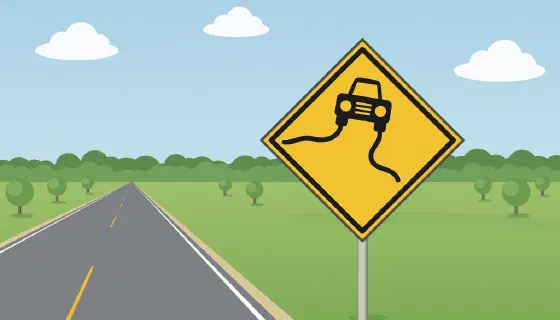
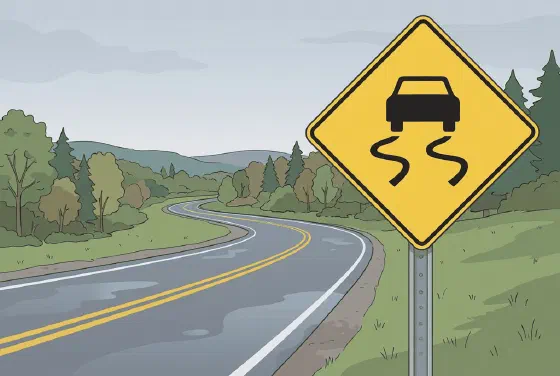
  4. Slippery when wet: A driver approaching this sign should be ready for:
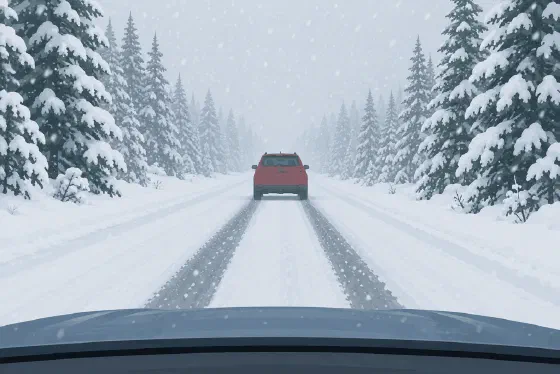
  5. The road surface is slippery. What should you do?
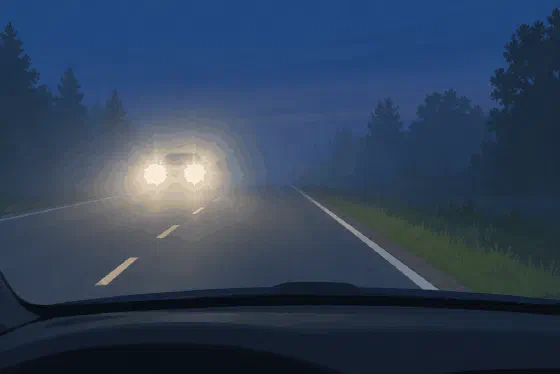
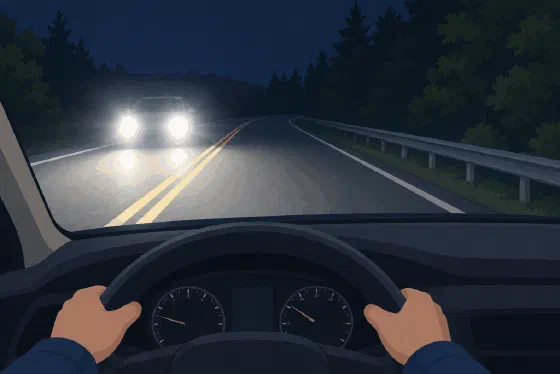
  6. Where should you direct your eyes when an oncoming vehicle has its high beams on?
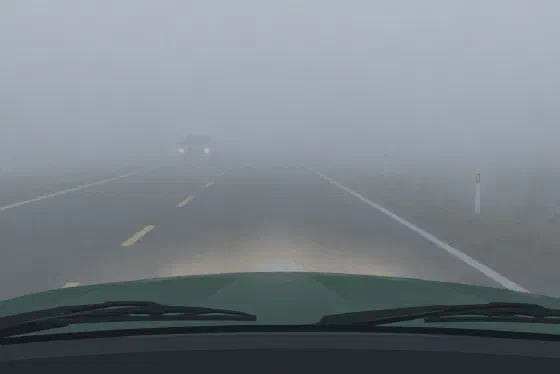
  7. Which lights should be on when you drive through fog like this?
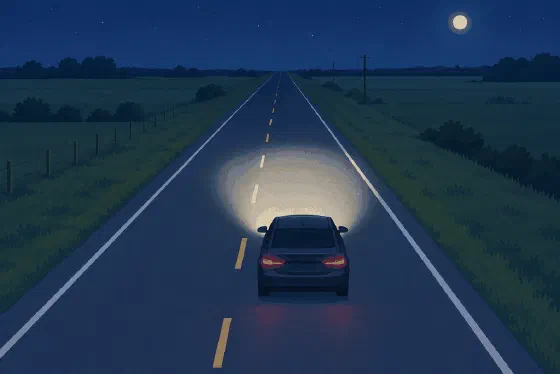
  8. When you drive after dark, your top priority should be to:
  9. What is true about how a car handles on wet pavement?
  10. Slippery when wet: Pavement is especially slick just after rain begins. On a slippery road like this, what should you do?
  11. At night, an oncoming car is approaching with its high beams on. What should you do?
  12. In cold, wet conditions, what should you expect from the pavement on bridges and overpasses?
  13. Which of these is the most difficult to spot when driving after dark?
  14. Apart from oncoming traffic, you should also switch from high to low beams when you get close to a vehicle that:
  15. What is the most common cause of hydroplaning?
  16. What makes driving after dark especially risky?
  17. How should you change your following distance when the road is wet?

More permit practice tests